Beef Ragu Pasta – Hearty Tomato Sauce Recipe
Beef Pasta in Tomato Sauce {Beef Ragu Pasta} is more than just a meal; it’s a comforting embrace in a bowl. This dish is a perennial favorite for a reason – its rich, slow-simmered tomato sauce infused with tender, savory beef creates a depth of flavor that speaks to the soul. We all crave those recipes that transport us back to cherished memories, and this hearty ragu is undoubtedly one of them. What truly sets this Beef Pasta in Tomato Sauce apart is the patient development of flavor. It’s not about rushing; it’s about allowing the simple ingredients to meld and transform into something truly extraordinary. The velvety texture of the beef, the sweet tang of the tomatoes, and the subtle aromatics all come together in perfect harmony, making every forkful an absolute delight. Prepare to fall in love with this classic all over again.
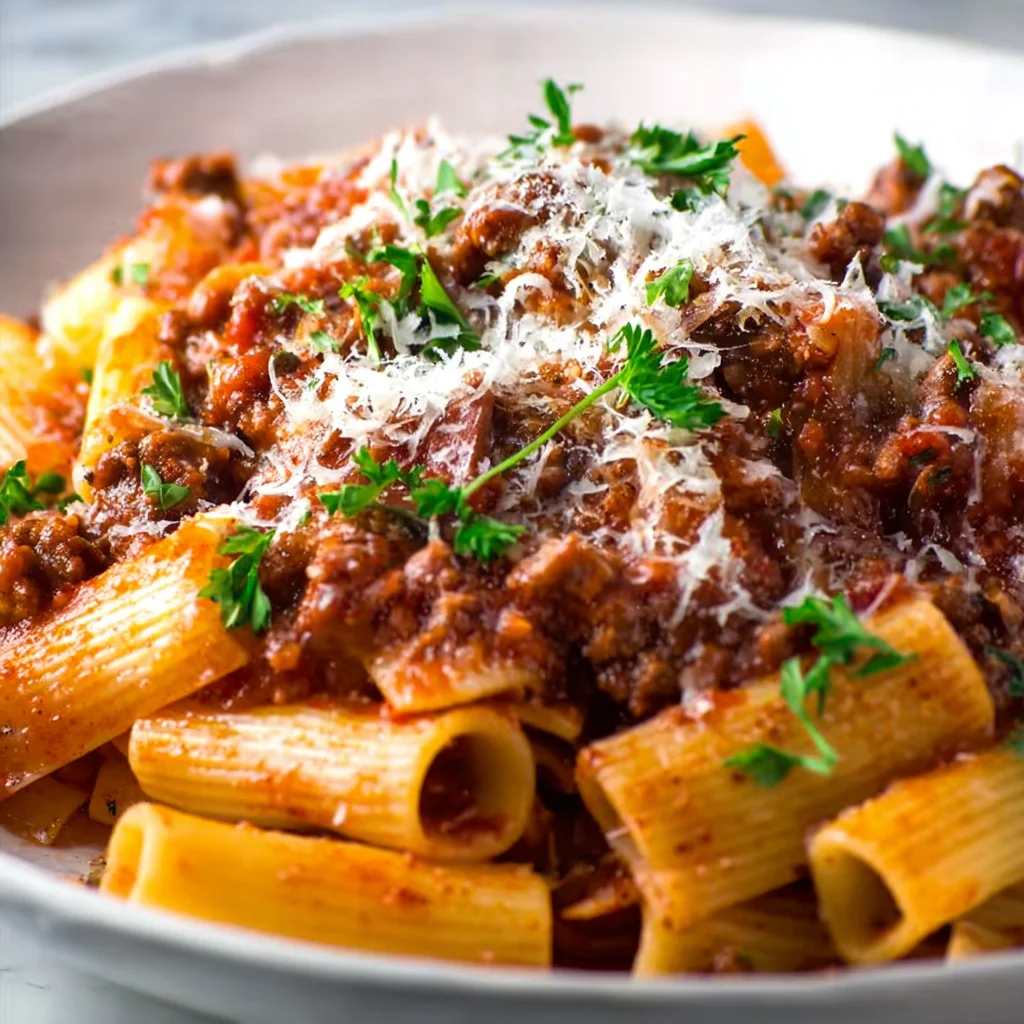
Ingredients:
- 1 pound ground beef (80/20 recommended for flavor)
- 1 tablespoon olive oil
- 1 large yellow onion, finely chopped
- 2 cloves garlic, minced
- 1 (28 ounce) can crushed tomatoes
- 1 (6 ounce) can tomato paste
- 1 teaspoon dried oregano
- 1 teaspoon dried basil
- 1/2 teaspoon salt, plus more for pasta water
- 1/4 teaspoon black pepper
- 1 pound dried pasta (such as spaghetti, fettuccine, or rigatoni)
- Freshly grated Parmesan cheese, for serving
- Fresh basil leaves, for garnish (optional)
Making the Beef Ragu
Searing the Beef
- Begin extract by heating the tablespoon of olive oil in a large, heavy-bottomed pot or Dutch oven over medium-high heat. This initial heat is crucial for achieving a good sear on the ground beef, which will build a foundational layer of flavor for our ragu. Once the oil is shimmering, add the 1 pound of ground beef to the pot. Break up the meat with a spoon or spatula, ensuring it’s in a single layer as much as possible. Allow the beef to cook undisturbed for about 3-4 minutes, until a deep brown crust forms on the bottom. This browning, known as the Maillard reaction, is where much of the rich, savory flavor of the beef is developed.
- After the initial sear, continue to cook the ground beef, stirring and breaking it up further, until it is fully browned and no pink remains. As the beef cooks, it will release fat. You’ll want to drain off most of this excess fat. You can do this by tilting the pot carefully and spooning out the rendered fat, or by carefully pouring it into a heatproof container. Leaving a small amount of fat in the pot is beneficial as it will help sauté the aromatics in the next step.
Building the Sauce Base
- Reduce the heat to medium. Add the finely chopped large yellow onion to the pot with the browned beef. Stir well, scraping up any browned bits from the bottom of the pot – these are packed with flavor. Cook the onion for about 5-7 minutes, stirring occasionally, until it becomes softened and translucent. You want it to be tender, not browned, to contribute a sweet, mild onion flavor to the sauce. Next, add the minced 2 cloves of garlic to the pot. Cook for another minute, stirring constantly, until fragrant. Be careful not to burn the garlic, as this can impart a bitter taste to the sauce.
- Now it’s time to introduce the tomato components that will form the heart of our ragu. Pour in the entire 28-ounce can of crushed tomatoes. Add the 6-ounce can of tomato paste. The tomato paste, concentrated and rich, will deepen the tomato flavor and thicken the sauce beautifully. Stir everything together, ensuring the tomato paste is fully incorporated into the beef and onion mixture.
Simmering and Flavor Infusion
- To enhance the flavor profile, add the dried oregano and dried basil to the sauce. These classic Italian herbs complement the tomatoes and beef perfectly, providing aromatic depth. Season the sauce with 1/2 teaspoon of salt and 1/4 teaspoon of black pepper. Remember that you’ll also be salting the pasta water, so it’s best to start with a moderate amount of salt in the sauce and adjust at the end if needed. Stir all the seasonings into the sauce.
- Bring the sauce to a gentle simmer over medium heat. Once simmering, reduce the heat to low, cover the pot loosely (leaving a small gap for steam to escape), and let it cook for at least 30 minutes. Ideally, allow it to simmer for 1 to 2 hours, stirring occasionally. The longer the sauce simmers, the more the flavors will meld and deepen, and the sauce will thicken to a luxurious consistency. This slow simmering process is essential for developing a rich, complex ragu. During this time, the beef will become incredibly tender and infused with the tomato and herb flavors. Check the sauce periodically and stir to prevent it from sticking to the bottom of the pot. If the sauce becomes too thick, you can add a splash of water or beef broth to reach your desired consistency.
Cooking the Pasta
- About 15 minutes before your ragu has finished simmering, it’s time to cook the pasta. Fill a large pot with plenty of water and bring it to a rolling boil over high heat. Once the water is boiling vigorously, add a generous amount of salt. The salt not only seasons the pasta from the inside out but also helps to prevent the pasta from sticking together. Add your chosen 1 pound of dried pasta to the boiling water.
- Cook the pasta according to the package directions until it is al dente, which means it should be tender but still have a slight bite to it. Overcooked pasta can become mushy and unpleasant. It’s a good idea to test a piece of pasta a minute or two before the suggested cooking time to ensure it’s perfectly cooked.
- Before draining the pasta, reserve about 1 cup of the starchy pasta water. This water is liquid gold! The starch in the water will help to emulsify the sauce and bind it to the pasta, creating a more cohesive and flavorful dish. Drain the cooked pasta thoroughly in a colander.
gin extract>Bringing It All Together
- Add the drained pasta directly to the pot with the simmering beef ragu. Toss gently to coat every strand of pasta evenly with the rich sauce. If the sauce seems a little too thick, add a splash of the reserved pasta water, a tablespoon at a time, and toss again until you reach your desired sauce consistency. The pasta water will help the sauce cling beautifully to the pasta. Stir until the pasta is thoroughly coated and the sauce is well integrated.
- Serve the Beef Ragu Pasta immediately in warm bowls. Garnish generously with freshly grated Parmesan cheese. The salty, nutty flavor of the Parmesan is a perfect complement to the rich ragu. For an extra touch of freshness and color, you can scatter a few fresh basil leaves over the top. This dish is hearty and satisfying, perfect for a weeknight family dinner or a comforting weekend meal.
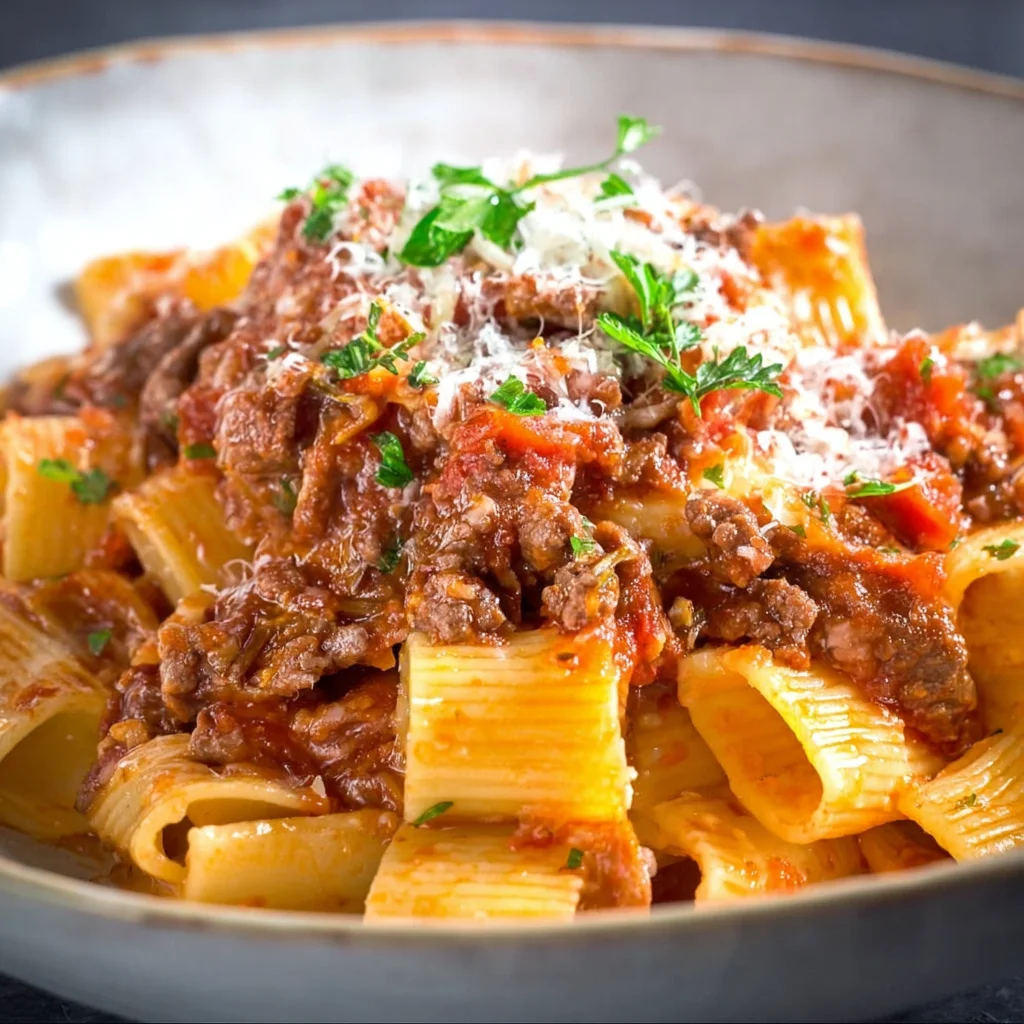
Conclusion:
And there you have it – your delicious journey into creating the perfect Beef Pasta in Tomato Sauce {Beef Ragu Pasta} is complete! This recipe is all about comforting flavors and a hearty meal that’s sure to impress. We’ve explored how to create a rich, savory tomato sauce simmered with tender ground beef, coating perfectly cooked pasta for a truly satisfying dish. Whether you’re a seasoned cook or just starting out, I encourage you to give this Beef Pasta in Tomato Sauce {Beef Ragu Pasta} a try. It’s a versatile dish that can be adapted to your liking and enjoyed any night of the week. Don’t be afraid to experiment with the seasonings or add your favorite vegetables!
For serving, this Beef Pasta in Tomato Sauce {Beef Ragu Pasta} is fantastic on its own, but you can elevate it with a sprinkle of fresh parsley and a generous grating of Parmesan cheese. A side of crusty garlic bread is also an excellent companion to soak up any extra sauce.
When it comes to variations, feel free to swap the ground beef for ground lamb or even a mixture of beef and beef for added depth. You can also incorporate finely diced carrots, celery, or bell peppers into the sauce while it simmers for an extra boost of flavor and nutrients.
FAQs:
Can I make Beef Pasta in Tomato Sauce {Beef Ragu Pasta} ahead of time?
Absolutely! This Beef Pasta in Tomato Sauce {Beef Ragu Pasta} actually tastes even better the next day as the flavors have more time to meld. Store any leftovers in an airtight container in the refrigerator for up to 3-4 days. Reheat gently on the stovetop or in the microwave.
What kind of pasta works best with Beef Pasta in Tomato Sauce {Beef Ragu Pasta}?
While you can use any pasta shape you prefer, heartier shapes like rigatoni, penne, or fettuccine hold the rich tomato sauce exceptionally well. Spaghetti is also a classic choice that never disappoints!
Beef Ragu Pasta – Hearty Tomato Sauce Recipe
A hearty and flavorful beef ragu pasta featuring a rich tomato sauce, perfect for a comforting meal.
Ingredients
-
1 pound ground beef
-
1 tablespoon olive oil
-
1 large yellow onion, finely chopped
-
2 cloves garlic, minced
-
1 (28 ounce) can crushed tomatoes
-
1 (6 ounce) can tomato paste
-
1 teaspoon dried oregano
-
1 teaspoon dried basil
-
1/2 teaspoon salt, plus more for pasta water
-
1/4 teaspoon black pepper
-
1 pound dried pasta
-
Freshly grated Parmesan cheese, for serving
-
Fresh basil leaves, for garnish (optional)
Instructions
-
Step 1
Heat olive oil in a large pot over medium-high heat. Add ground beef and cook until deeply browned, breaking it up as it cooks. Drain off most of the excess fat. -
Step 2
Reduce heat to medium. Add chopped onion and cook until softened and translucent, about 5-7 minutes. Add minced garlic and cook for 1 minute more until fragrant. -
Step 3
Stir in crushed tomatoes and tomato paste. Add dried oregano, dried basil, salt, and pepper. Stir to combine. -
Step 4
Bring sauce to a simmer, then reduce heat to low, cover loosely, and cook for at least 30 minutes, or up to 2 hours, stirring occasionally. Thicken as needed with water or broth. -
Step 5
About 15 minutes before ragu is done, cook pasta in salted boiling water according to package directions until al dente. Reserve about 1 cup of pasta water before draining. -
Step 6
Add drained pasta to the pot with the ragu. Toss to coat. Add reserved pasta water a tablespoon at a time if needed to reach desired consistency. -
Step 7
Serve immediately, garnished with Parmesan cheese and fresh basil if desired.
Important Information
Nutrition Facts (Per Serving)
It is important to consider this information as approximate and not to use it as definitive health advice.
Allergy Information
Please check ingredients for potential allergens and consult a health professional if in doubt.